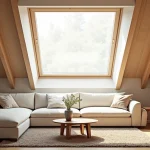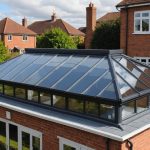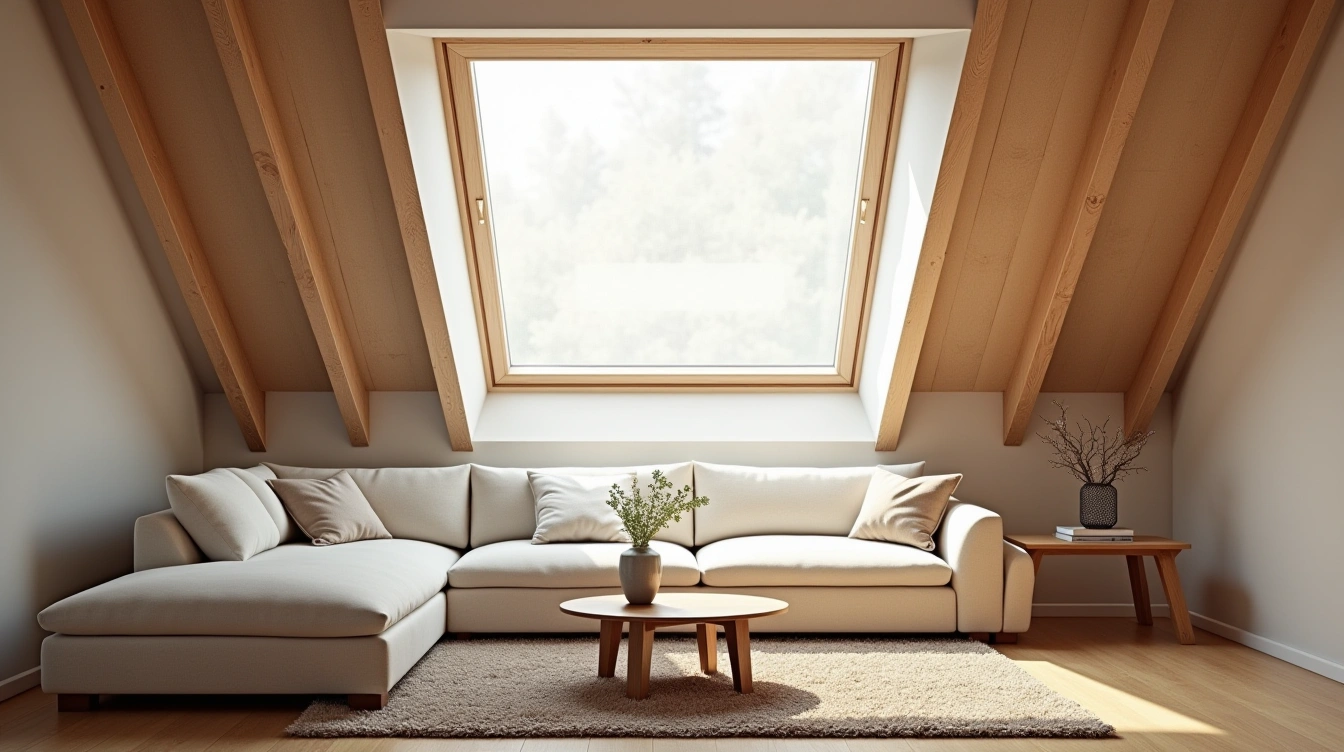
What defines a pitched roof skylight?
Skylights for pitched roofs differ from those designed for flat roofs in several key aspects. The installation angle affects factors such as drainage, the amount of daylight/natural light entering the space, and overall performance. The roof pitch, measured in degrees, directly influences the selection of a suitable roof window or skylight, ensuring optimal weather resistance and longevity. Many homes feature sloped roofing systems, which create opportunities for both ventilation and illumination through well-placed skylight products. Adding a skylight not only brightens up rooms but also reduces dependence on artificial lighting throughout the day.Types of skylights suitable for pitched roofs
Choosing the right skylight involves considering design preferences, installation requirements, and the specific characteristics of the roof. Several options are available, each efficiently channeling daylight into your home’s interior while meeting different needs for appearance and function. For an extensive guide on options and installation, consider reviewing Pitched Roof Skylights.Fixed skylight vs. operable roof window: what’s the difference?
A fixed skylight is a sealed unit that remains closed, providing consistent illumination without affecting insulation or security. In contrast, an operable roof window offers both natural light and the benefit of ventilation. Both types are well-suited to pitched roof installations, but the best choice depends on room usage and budget considerations. The decision between fixed and opening models often depends on the intended use of the space. Bathrooms and kitchens benefit from fresh air provided by an operable window, while hallways or stairwells may require only passive sunlight from a non-opening unit.Tubular skylight: when is it ideal for pitched roofs?
The tubular skylight excels in smaller or enclosed areas, channeling daylight down a reflective tube. Its compact size allows flexible placement where traditional skylight products may not fit, making it ideal for closets, corridors, or attic spaces. Tubular skylights require minimal structural changes and offer straightforward installation, delivering valuable natural light even in tight spots. This option is particularly useful when the roof pitch or truss configuration limits standard window placement, offering an alternative source of daylight without major renovations.Considerations before installation
Installing a skylight on a pitched roof requires careful evaluation of technical factors. From safety and effective daylight gain to long-term durability, thorough planning ensures lasting results and minimizes unexpected issues during the construction phase.Measuring and matching your roof pitch (degrees)
The slope of your roof determines which skylight styles will work best. Most pitched roof skylight products are rated for certain pitch ranges, typically between 15 and 60 degrees. Installing outside these recommended ranges can lead to water leakage, poor drainage, or insulation problems. Accurate measurement and proper selection ensure compatibility and reliable performance. If you’re unsure about the exact degree of incline, seeking professional assistance removes uncertainty and helps prevent common mistakes. This step is also important for maintaining warranty coverage if applicable.Daylight zones and avoiding overheating
The orientation and location of a skylight affect both the quantity and quality of daylight entering the home. South-facing units capture maximum sunlight, which increases warmth in winter but may cause overheating in summer. Accessories like shading devices, thermal-control glazing, or roof window blinds help maintain comfortable conditions year-round. Modern skylight products often include built-in UV filters, reducing glare and protecting furnishings from sun damage. Careful planning makes every skylight a valuable, lasting upgrade for pitched roof rooms.Step-by-step overview of the installation process
Installing a skylight on a pitched roof follows a series of clearly defined steps. A methodical approach ensures a leak-free, secure result that meets building codes and maximizes daylight exposure.- 🛠️ Structural assessment before cutting into the roof
- 📏 Marking skylight position and preparing the area
- ✂️ Cutting precise openings while protecting rafters
- 🏗️ Securing frames and applying waterproof seals
- ⚡ Final touches: insulation, flashing, and interior finish
Comparing pitched roof skylight designs: benefits at a glance
Each type of skylight brings unique advantages for sloped ceilings. Comparing available products and factoring in personal priorities enables homeowners to balance cost, aesthetics, and functionality confidently.| ✨ Feature | 🔒 Fixed skylight | 🌬️ Roof window | 🔦 Tubular skylight |
|---|---|---|---|
| Ventilation | No ❌ | Yes ✅ | No ❌ |
| Daylight delivered | High ☀️ | Very high 🌟 | Moderate 💡 |
| Space required | Large 📐 | Large 📏 | Small 📏 |
| Installation ease | Medium 🔨 | Complex 🪜 | Simple 🛠️ |
Expert tips for choosing and caring for your pitched roof skylight
The effectiveness and lifespan of any skylight depend on wise product selection and ongoing maintenance. Simple routines ensure continued delivery of natural light and help avoid issues such as leaks or condensation.- 💧 Clean glazing regularly to maximize daylight transmission
- 🧽 Inspect seals and flashing annually, especially after storms
- 🚩 Address minor cracks or cloudiness promptly to prevent costly repairs
- 📆 Schedule professional inspections every few years, especially on steep roofs
Common questions about pitched roof skylights
Which types of skylights are best suited for a steeply pitched roof?
Fixed skylights and operable roof windows are generally well adapted to steeply pitched roofs, typically those with a roof pitch between 30 and 60 degrees. Tubular skylights are also effective if there is limited space between the ceiling and the roofline.
- 🔒 Fixed skylight: Ideal for brightening rooms without the need for ventilation.
- 🌬️ Operable roof window: Offers added ventilation and natural light.
- 🔦 Tubular skylight: Suitable for confined or awkward areas with steep pitches.
How does roof pitch affect skylight installation?
Roof pitch influences water runoff, fit, and the appropriate choice of skylight products. Installers must match the skylight frame angles to the overall roof pitch (degrees) to prevent leaks and ensure efficient drainage.
- 📏 Low pitches may require specialized flashing or products rated for flatter surfaces.
- ⛰️ Steeper angles improve drainage but require secure mounting and careful alignment.
| Pitch range (°) | Recommended skylight |
|---|---|
| 10–20 | Specialized frames/seals |
| 21–60 | Standard pitched roof styles |
Can I install skylights on both pitched and flat roofs in a single project?
Yes, you can use skylight products tailored for each roof type within one property. Flat roof skylights have distinct construction features—such as curb-mounted frames—compared to those made for pitched roofs.
- 🏠 Each skylight should be chosen to match the roof’s structure.
- ⬆️ Pitched-ceiling skylights allow angled installation for optimal daylight.
- ⬛ Flat roof units commonly have dome-shaped or slightly elevated covers to promote water runoff.
Do skylight installations significantly increase natural light in attics and loft spaces?
Properly positioned skylight products can greatly increase daylight in attics and converted lofts. By adding a roof window, fixed skylight, or tubular skylight, formerly dark spaces become functional and inviting.
- 😊 Improvements include enhanced ambiance, improved usability, and a sense of increased space.
- 🌞 Energy savings come from reduced reliance on electric lighting.
A lire en complément : How can UK families use technology to monitor and improve sleep hygiene in a smart bedroom?